
Medical misdiagnosis claims
Harmed by a wrong or missed diagnosis?
Our medical negligence lawyers can help you claim compensation if a misdiagnosis harmed you. You won't pay legal fees unless you win your claim.
Call 020 7485 8811 today.


“Osbornes handles a wide range of high-value and complex clinical negligence cases, with particular expertise in birth injury, delayed cancer diagnosis, spinal injury, and fatal claims.”

“Osbornes Law is an established firm which handles a breadth of complex and high-value clinical negligence matters.”


Our medical negligence solicitors act for people harmed by an incorrect or missed diagnosis, against NHS and private providers. We are recognised by Legal 500 and Chambers and Partners for medical negligence.
Medical misdiagnosis claims at a glance
- You may have a claim if a healthcare professional gave you the wrong diagnosis, or missed your condition, and you were harmed as a result.
- To succeed, we need to show negligence and that the mistake caused you harm.
- We act on a no win no fee basis. Speak to us for an initial consultation and a clear view of whether you have a claim.
Most consultations end in a correct diagnosis and the right treatment. When they don’t, the effects on you and your family can be serious. A medical professional has a duty of care to give you an accurate diagnosis, and if that duty is not met, you may be able to claim.
We will listen to what happened and tell you honestly whether you have a claim, at an initial consultation. Whether you received the wrong treatment or no treatment at all, we will work to recover the compensation you are due.
What is medical misdiagnosis?
Medical misdiagnosis means a healthcare professional gets your diagnosis wrong. There are three types:
- An incorrect diagnosis, where you are told you have a condition you do not have.
- A missed diagnosis, where the healthcare professional fails to diagnose your condition at all, so it goes untreated.
- A delayed diagnosis, where your condition is diagnosed later than it should have been, leading to complications and potentially worse outcomes.
This page covers incorrect and missed diagnoses. If your diagnosis came too late, please see our page on delayed diagnosis claims.
When can you make a misdiagnosis claim?
You may be able to bring a medical misdiagnosis claim if a mistake by a healthcare professional led to a wrong or missed diagnosis and you were harmed as a result. This can happen in a number of ways:
- You told your GP about your symptoms, but they did not examine you properly or told you there was nothing to worry about.
- Your doctor was not sure what was causing your symptoms, but did not refer you for further tests.
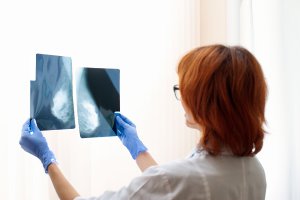
- Your doctor misread or misunderstood your scans or test results, leading to a wrong diagnosis.
- Your doctor failed to consider other medical conditions that could be the cause of your symptoms.
- You were referred to the wrong medical specialist.
How a misdiagnosis can affect you
The effects of a misdiagnosis can be devastating. You may be placed on an incorrect treatment plan, endure unnecessary and potentially harmful surgery, or suffer the side effects of medication you do not need.
Meanwhile, your actual condition goes untreated. Many people face a longer, harder recovery or suffer permanent damage that could have been prevented with the right diagnosis.
Which conditions are commonly misdiagnosed?
Some illnesses are misdiagnosed more often than others. In their early stages, these conditions often have symptoms that are easily mistaken for something else or are hard to detect.
We handle misdiagnosis claims for clients across the country, including:
- Cancer misdiagnosis claims
- Misdiagnosed heart attacks and strokes
- Misdiagnosed meningitis
- Misdiagnosed internal bleeding
- Miscarriage misdiagnosis claims, including ectopic pregnancy misdiagnosis claims
- Misdiagnosed sepsis
If you think a cancer was missed, we can look at your records and tell you whether the care you received fell below the standard you should have had.
Can you make a claim if your GP misdiagnosed you?
You can, if the care your GP gave fell below the standard of a competent GP and that harmed you. GPs are often the first person you see, so many misdiagnosis claims start in general practice. A GP may be negligent if they do not examine you properly, do not arrange tests, or do not refer you on when your symptoms called for it.
NICE publishes national guidance on when GPs should refer people with symptoms that could be cancer. Our solicitors compare the care you received with this kind of guidance, which you can read in the NICE guideline on suspected cancer: recognition and referral.
How do you make a claim?
The first step is to speak to our specialist medical negligence solicitors. We will listen to your experience and advise you on the best course of action for your individual situation.
Not every misdiagnosis will result in compensation, even when there is clear evidence that an incorrect diagnosis was given. To make a successful claim, we will need to prove:
- Negligence: the healthcare professional did something, or failed to do something, that no other competent clinician would have done. For example, if your GP failed to diagnose you with cancer despite obvious symptoms that another GP would have caught, this may be considered GP negligence.
- Causation: the misdiagnosis caused you harm that you would not otherwise have suffered. This can be difficult to prove in a misdiagnosis claim. We would have to show that the misdiagnosis made your condition worse, and it isn’t just a case of the condition getting worse on its own, or that the wrong treatment plan caused additional harm.
What evidence will we need?
To bring a claim, we need your medical records and the opinion of independent medical experts. Medical experts are essential in misdiagnosis claims because they help us understand what tests and examinations should have been carried out and what care you should have received.
We will also examine evidence such as:
- Test results such as X-rays, lab reports and scans.
- Witness statements.
- NHS codes of practice.
- Guidelines and recommendations from independent bodies such as the National Institute for Health and Care Excellence (NICE).
This evidence helps us show that the healthcare professional was negligent and that the mistake should not have been made.
What happens when you make a claim?
Once we have the evidence, we will show the other party and ask them to accept responsibility. If they agree, we can ask for interim payments to cover your treatment costs while we work on a final settlement. Our goal is to settle your claim quickly.
If the other party does not accept responsibility, we will start court proceedings.
What compensation can you claim?
The amount you could receive depends on the severity of your injury or illness, its impact on your life, and your financial losses. As medical negligence specialists, our solicitors understand how misdiagnosis claims are valued.
We assess your rehabilitation needs, your financial losses and any support you may need in the future. Compensation can go towards:
- Wages lost through additional surgery or extended recuperation time.
- Lost earnings and loss of future earning potential.
- Medical expenses.
- Travel expenses.
- The cost of specialist equipment or medications.
- Mobility aids and personal care.
Why choose Osbornes?
Our medical negligence solicitors have unique medical experience and knowledge of NHS practices. We are rated by Legal 500 and Chambers and Partners for our work as medical negligence specialists.
Many of our lawyers are members of the Law Society’s Clinical Negligence Panel and the Action Against Medical Accidents (AvMA) referral panel. These accreditations reflect our experience in complex medical negligence claims, including misdiagnosis. You can read about some of the people we have represented in our client stories.
Speak to a medical negligence lawyer today
To speak with one of our solicitors, contact us by filling in the contact form below, or calling us on 020 7485 8811.
Related claims
Misdiagnosis FAQs
What are the time limits for making a misdiagnosis claim?
You’ll need to make a claim within three years of becoming aware of your misdiagnosis. If you want to claim on behalf of a loved one who you believe passed away due to a misdiagnosis, you must do so within three years of their death.
If you’re claiming on behalf of a child, the three-year rule does not apply until your child turns 18. After this, they will have three years to make a claim.
Whatever your circumstances, it is recommended that you start a claim early. Misdiagnosis claims can be complex and your solicitor will benefit from the extra time to gather medical evidence.
Who do I claim against?
You can sue the NHS or a private healthcare provider for medical misdiagnosis, including a GP practice.
GPs and private doctors carry insurance against medical negligence claims and the compensation would be paid by the insurer.
Will I have to go to court for my medical misdiagnosis claim?
Only a small minority of cases end up in court. The majority are resolved long before the case reaches trial using a procedure known as an out-of-court settlement.
Even if you do have to go to court, your medical negligence solicitor will be with you every step of the way and ensure you have all the help and support you need.
Are there alternatives to making a misdiagnosis claim?
When people are subjected to substandard medical treatment, it is not always financial compensation that they want. Sometimes, they simply want an apology or a commitment to review procedures so another patient will not suffer the same way.
If you wish to make a formal NHS complaint, you must do so within six months, so it is best not to delay. Your solicitor can explain the various options open to you. Serious complaints about hospital doctors and GPs may also be made to the General Medical Council.
It is possible, and sometimes advisable, to make an official complaint as well as make a claim for compensation. Using the NHS complaints procedure before starting legal action can help us find out more about what happened and why it happened. You can use this information to support your claim for compensation and build a stronger clinical negligence case.
Does no win, no fee apply to medical misdiagnosis claims?
We are usually able to make a misdiagnosis claim on a no win no fee basis. If your claim is successful, then most of your legal fees will be covered by your opponent, with the rest coming out of your compensation settlement. If for any reason your claim is unsuccessful, you won’t pay a penny.
How long does a misdiagnosis claim take?
It depends on how complex your claim is. Misdiagnosis claims can take longer than other claims because we need your medical records and independent expert opinions, and the other side has to investigate. Once we have reviewed your records, we can give you a realistic idea of timescales. If the other side accepts responsibility, we can ask for interim payments while your claim continues.
What should I do if I think I was misdiagnosed?
Write down your symptoms, the dates of your appointments and what you were told. If you are still unwell, get further medical advice, because your health comes first. The sooner you speak to us, the easier it is to gather the evidence. We can request your medical records and tell you whether you have a claim.
Speak to us about a Misdiagnosis Claim
Call us 020 7485 8811
For all new enquiries, please submit your details via the contact forms on our website. This will ensure your query reaches the right team and is handled promptly.
They know the law inside out and proactively work with counsel to drive cases forward. They are a go-to for complex claims.
Osbornes handles a wide range of high-value and complex clinical negligence cases, with particular expertise in birth injury, delayed cancer diagnosis, spinal injury, and fatal claims.
I am always happy to get instructions from Osbornes. They have excellent quality work, the team knows exactly what they are doing and are a real pleasure to work with. Excellent legal knowledge.
The team has excellent leadership and provide an above and beyond service for their clients.
A close knit team with excellent knowledge and technical acumen across the board.
You get a real sense that they care about clients and each other, working together to get the best results.
The team works very well together as they are genuinely kind and friendly people.
Small but very effective and experienced team so every client benefits from the personal touch but also highly skilled litigation know-how. Capability of the team means they can handle all aspects of very complex cases as well as straightforward matters.

Accreditations



News & InsightsVIEW ALL
 24.9.2026
Hospital Review Identifies Inappropriate Treatment and Unnecessary Breast...
The County Durham and Darlington NHS Foundation Trust (CDDFT) has admitted to the BBC that 20 women underwent mastectomies (removal of...
Read more- 17.9.2026
NHS Announces HPV Self-Testing to Prevent Cervical Cancer
NHS announces HPV self-testing kits in a bid to eliminate cervical cancer by 2040 NHS England has announced the rollout of...
Read more  1.10.2025
Jess’s Rule Rolled Out in England to...
Jess’s Rule establishes a “three strikes and rethink” approach for GP practices to prevent avoidable missed diagnoses deaths. The...
Read more 13.9.2023
Delayed Basal Cell Carcinoma diagnosis client story
Settlement for delayed diagnosis of Basal Cell Carcinoma We are pleased to have successfully secured a settlement for our client...
Read more- 13.1.2023
Delayed diagnosis of appendiceal cancer
The medical negligence team at Osbornes Law has recently settled a case involving a patient who passed away following a...
Read more - 9.11.2022
Breast cancer screening mammograms and negligence
Breast cancer screening has improved significantly in the UK due to research bettering the understanding of this terrible disease, which...
Read more  2.9.2020
Cervical cancer misdiagnosis
Cervical cancer misdiagnosis client story Jodi Newton, clinical negligence solicitor Osbornes Law, recently settled a claim for the family of...
Read more- 14.1.2020
Misdiagnosis of heart problems
Failure to diagnose heart problems – education is the key Our hearts are the pumps that keep us alive by pushing...
Read more