Medical negligence solicitors for Spanish-speaking clients
Medical negligence advice for Spanish-speaking and Latin American clients
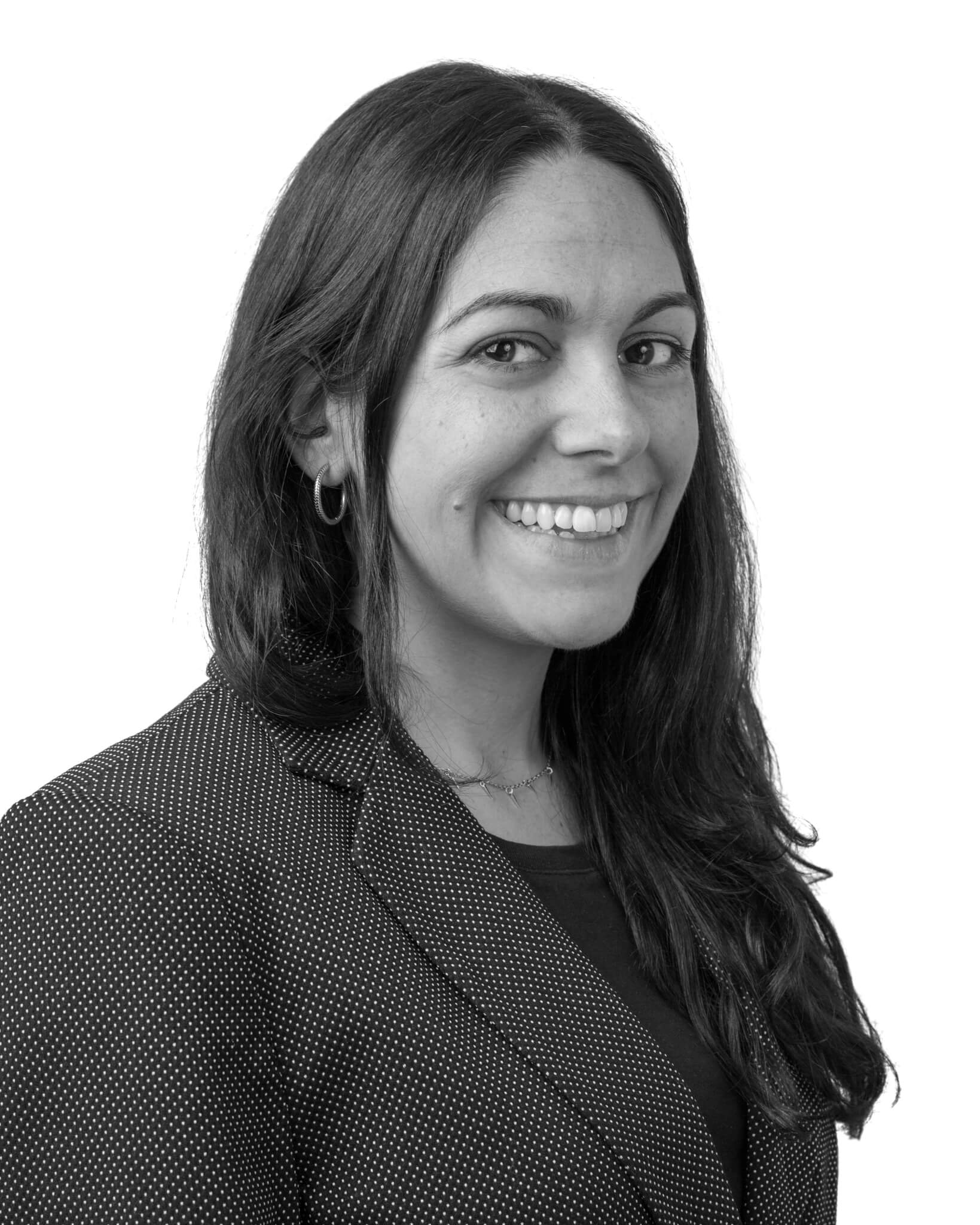
Blanca Diego Casas is your Spanish-language point of contact for medical negligence claims. The clinical and litigation work is run by our specialist medical negligence team, including Elline Demetriou, Nicholas Leahy and Shivam Raja. Call 07593 575746.
A medical negligence (also called clinical negligence) claim arises when a healthcare professional provides care that falls below the standard a competent practitioner would meet, and that failure causes harm.
At Osbornes Law, Blanca Diego Casas, our Spanish-speaking solicitor, is your first point of contact for medical negligence claims. Blanca coordinates the case in Spanish and works with Osbornes’ specialist medical negligence team, including Elline Demetriou, Nicholas Leahy and Shivam Raja, who run the clinical and litigation work. Sara Espeja Peralta also works with Spanish-speaking clients.
We act on a no win no fee basis where appropriate. To start your enquiry, call 07593 575746 or complete the form below.
Accessing healthcare in the UK as a Spanish or Latin American patient
Understanding how the NHS works is important context for any medical negligence claim. Spain has its own excellent public health system, the Sistema Nacional de Salud, and most Latin American countries have a mixture of public and private healthcare. The NHS works differently from all of them, and those differences can create genuine challenges for Spanish-speaking patients.
How the NHS is structured. The NHS is free at the point of use for anyone ordinarily resident in the UK, regardless of nationality. Most people are registered with a GP practice, and all specialist referrals, to hospital consultants, for diagnostic tests, for operations, typically come through the GP. This gatekeeping role is central to how the system works, but it also means that if a GP misses something or delays a referral, the consequences can be significant.
Language barriers in everyday care. A GP appointment is typically ten minutes long. If you are consulting in your second language, or through an interpreter who has been arranged at short notice, there is real scope for important information to be missed or misunderstood. Symptoms may be described imprecisely, clinical history may be incomplete, and a doctor may not fully appreciate how serious a concern is. In specialist care settings, consultations with hospital consultants, discussions about surgery, or conversations about a diagnosis, the same risks apply, often with higher stakes.
The NHS has a legal duty to provide professional interpreters for patients who need them, but in practice this does not always happen consistently. Patients are sometimes advised to bring a family member to translate, which is not an appropriate substitute for a trained medical interpreter, and which can itself lead to errors.
Cultural differences in doctor-patient communication. Healthcare cultures differ between Spain, Latin America and the UK in ways that can affect the clinical encounter. In many Latin American countries, there is a strong tradition of deference to doctors, patients may be less inclined to question a diagnosis, to ask for a second opinion, or to push back when they feel their symptoms have been dismissed. In the UK, patients are expected to be active participants in their care, to ask questions and to raise concerns. If a Spanish or Latin American patient feels unable to challenge a clinical decision, particularly when language is also a barrier, there is a real risk that something important gets missed.
Healthcare backgrounds. Spanish nationals who grew up in Spain will be accustomed to a system with a broadly similar level of clinical excellence to the NHS, but with different processes, different waiting times and different referral structures. Latin American patients may have experienced wider variation in healthcare quality, depending on their country of origin and their access to public or private care. Neither background automatically predicts how a patient will experience the NHS, but understanding those differences helps us understand why a case unfolded as it did.
None of this means that the NHS does not provide excellent care, it frequently does. But when something goes wrong, these contextual factors matter and our solicitors take them seriously.
Medical negligence claims for Spanish-speaking clients
Clinical negligence claims are legally and medically complex. They require independent expert evidence from specialists in the relevant clinical field, and the legal test is specific: you must show both that the care fell below the standard a competent practitioner would have provided, and that this failure caused the harm you suffered. Meeting that test requires specialist solicitors.
Below we set out the most common types of medical negligence claim we handle for Spanish-speaking clients.
Missed and delayed diagnosis
Diagnostic failures are one of the most common reasons for bringing a medical negligence claim, and one of the most serious, because a delayed or missed diagnosis can fundamentally change a patient’s prognosis.
Common examples include:
- A GP who dismisses symptoms of cancer, fatigue, unexplained weight loss, persistent pain, as stress or a minor condition, and fails to refer for investigation in time
- A failure to diagnose a serious infection such as sepsis, meningitis or appendicitis, which worsens rapidly when not treated promptly
- A missed diagnosis of a stroke, heart attack or pulmonary embolism in an emergency setting
- A delayed diagnosis of a spinal condition, including cauda equina syndrome, where the window for effective treatment is very narrow
- Misread or overlooked imaging results, X-rays, MRI scans, CT scans, which would have prompted urgent action if reviewed correctly
Language barriers can play a real role in these failures. A patient who struggles to find the right words in English to describe pain or symptoms, or who lacks the confidence to convey how seriously unwell they feel, may receive less thorough investigation than they would have if they had been able to communicate more fluently. When a diagnostic failure has a linguistic dimension, our solicitors explore this as part of the full picture of what went wrong.
We act for clients whose delayed or missed diagnosis has led to a cancer progressing to an inoperable stage, a treatable condition becoming permanent, or a serious illness causing lasting harm that could have been avoided.
Surgical errors and treatment complications
Surgery involves risk, and not every complication following an operation amounts to negligence. The relevant question is whether the complication was caused by an error that a competent surgeon acting reasonably would not have made.
Surgical negligence includes:
- Wrong-site surgery, operating on the wrong side of the body, the wrong limb, or the wrong organ
- Anaesthetic errors, administering the wrong dose, failing to monitor the patient properly during surgery, or failing to identify and manage a reaction
- Retained surgical instruments or materials, leaving swabs, instruments or packing inside a patient following surgery
- Negligent post-operative care, failing to identify signs of deterioration, infection or internal bleeding in the period after surgery, when early intervention would have prevented serious harm
- Avoidable damage to surrounding structures, perforating the bowel, damaging nerves, severing blood vessels in circumstances where this was not an inherent risk of a properly performed procedure
We also act in claims arising from medication errors, being prescribed the wrong drug or the wrong dose, failure to account for known allergies, and failures in the safe management of prescription drugs in hospital settings.
If you had surgery or medical treatment that left you worse off than you should have been, and you are not sure whether negligence played a role, speaking to a specialist solicitor is the right first step. We can tell you whether the circumstances warrant further investigation.
Maternity and birth injuries
Obstetric negligence and birth injuries represent some of the most serious and complex medical negligence claims. They are also among the most life-altering, for the child, if the injury is to the baby, and for the entire family. The Spanish and Latin American communities in the UK include a significant proportion of people in their twenties, thirties and forties, making maternity care directly relevant to a substantial part of this community.
We act in claims involving:
- Cerebral palsy caused by oxygen deprivation during labour, hypoxic-ischaemic encephalopathy (HIE) occurs when a baby’s brain is deprived of oxygen during labour or delivery. It is sometimes avoidable with prompt clinical intervention. When it is not prevented because of a clinical failure, the consequences for the child are lifelong.
- Erb’s palsy and brachial plexus injuries, nerve injuries to the shoulder and arm caused by excessive force during delivery, or by failure to manage shoulder dystocia appropriately
- Birth trauma, injuries to the mother during delivery, including avoidable tears, pelvic floor damage and haemorrhage caused by inadequate monitoring or care
- Failure to respond to fetal distress, CTG traces and fetal monitoring results that showed a baby in distress but were not acted upon appropriately
- Inadequate antenatal care, failures to identify and manage high-risk pregnancies, including pre-eclampsia, gestational diabetes or placental problems, which result in preventable harm to mother or baby
These cases are emotionally as well as legally complex. Our solicitors approach them with the sensitivity and patience they require. Everything can be discussed in Spanish.
Nursing and care home negligence
Not all clinical negligence involves hospital consultants or surgeons. Nursing care, whether in a hospital ward, a care home, or a community setting, carries its own legal duties, and failures in nursing care can cause serious harm.
We act in claims involving:
- Pressure sore negligence, also called bedsores or decubitus ulcers. These are largely preventable with appropriate nursing care, including regular repositioning and adequate nutrition. Serious pressure sores, particularly those that become infected or reach the bone, can be life-threatening and are frequently the result of inadequate nursing.
- Medication administration errors in care settings, giving the wrong medication, the wrong dose, at the wrong time, or failing to monitor the effects of medication in vulnerable patients
- Falls in care settings, where a patient’s fall risk was not properly assessed or managed, and a preventable fall results in a fracture or head injury
- Neglect and inadequate monitoring, failure to identify signs of deterioration in patients or residents, and failure to act on those signs in time
Spanish and Latin American nationals are well represented in the care sector as employees, and some older members of the community, or those with complex health needs, are also patients in care settings. We act for both: workers who have been injured, and patients or residents who have suffered harm. These are distinct legal claims but we have expertise in both.
NHS and private healthcare claims
Medical negligence claims can be brought against NHS providers and against private healthcare providers. The process is different depending on who was responsible for the negligent care.
NHS claims are handled through NHS Resolution, the body that manages claims on behalf of NHS trusts and other NHS bodies. Having a specialist solicitor on your side makes a significant difference, NHS Resolution is a sophisticated and well-resourced opponent. Every patient has the right to NHS care regardless of nationality or immigration status, and that duty of care does not vary based on where you are from.
Private healthcare claims, including claims against private hospitals, private consultants and private clinics, are brought directly against the relevant provider or their insurer. Many Spanish nationals and Latin American residents in the UK also use private healthcare, either through international health insurance, employer health insurance, or as self-paying patients. A private consultation does not mean a lower standard of legal protection, you are entitled to the same quality of care, and negligent private treatment can give rise to the same claim.
We act in both NHS and private medical negligence claims across England and Wales.
Recent medical negligence case: record cauda equina settlement
The Osbornes medical negligence team secured a record settlement in a cauda equina syndrome claim. Cauda equina is a neurosurgical emergency: a delay in diagnosis or surgery can leave a patient with permanent loss of bladder, bowel and sexual function and lasting neurological deficit. Claims of this kind require detailed expert evidence on what would have happened with earlier treatment, and the value reflects the lifelong impact of the missed diagnosis. Read the full case study.
No win no fee
Medical negligence claims are funded under a Conditional Fee Agreement, no win no fee, in the majority of cases we take on.
- You pay nothing to start your claim. There are no upfront fees and no charges during the process.
- If your claim is successful, our pre-agreed success fee is taken as a percentage of the compensation you receive. This percentage is agreed with you in writing at the start. You keep the majority of your compensation.
- If your claim is not successful, you pay nothing for our legal work.
- We arrange after-the-event (ATE) insurance to cover the other side’s costs in the event of an unsuccessful claim. Without this, losing a case could expose you to paying the defendant’s legal costs. With it, you are protected.
Medical negligence claims tend to be more complex and longer-running than personal injury claims. Some involve multiple experts, detailed medical records reviews, and protracted negotiations with NHS Resolution. The no win no fee arrangement means that cost and complexity do not create a barrier to bringing a legitimate claim.
We explain everything in Spanish before you make any decision about how to proceed.
Why choose Osbornes Law
- We have Spanish-speaking solicitors. You can speak to us in Spanish from your first enquiry, and throughout your case. In medical negligence cases, where describing what happened to you and understanding what is being said about your treatment matters enormously, being able to communicate in your own language is not a luxury; it is a genuine clinical and legal necessity.
- Specialist medical negligence expertise. Medical negligence is a complex area that requires specialist knowledge of both law and medicine. Our team has extensive experience in clinical negligence claims including birth injuries, delayed diagnosis, surgical negligence and serious cases of all kinds. We instruct leading independent medical experts and have the experience to take on cases that other firms may not.
- Over 50 years of experience. We have acted in medical negligence claims on behalf of clients across England and Wales, including multi-million-pound settlements in serious birth injury and brain injury cases.
- Independently recognised. Osbornes Law is recommended in the Legal 500 and Chambers UK. These rankings are based on assessments of legal quality and client outcomes, and cannot be purchased.
- We represent you, not the NHS. We do not represent NHS trusts, private hospitals or insurers. Our sole focus is on securing the best possible outcome for each client.
- We act nationally. Our offices are in Camden and Hampstead, but we act for clients across England and Wales. Medical negligence cases are frequently handled remotely, by phone, video and email, and you do not need to travel to meet us in person on a regular basis.
★★★★★“Osbornes Law Medical Negligence Department have just brought my claim to completion. I am very happy with result. The senior associate who dealt with my claim was with me every step of the way. He guided me through the complex process, explaining the options and advising me on the way forward.”
Accreditations




Frequently asked questions
How long do I have to bring a medical negligence claim?
In most cases, you have three years from the date of the negligent treatment, or from the date you first became aware (or should reasonably have become aware) that negligence caused your harm, to start a claim. This is known as the limitation period. For children, the three-year clock does not start until their 18th birthday, giving them until they are 21 to bring a claim. For adults who lack mental capacity, the time limit does not run at all while they lack capacity. These rules are applied strictly, so if you are approaching or past the three-year point, contact us immediately.
How is medical negligence proved?
A medical negligence claim requires you to demonstrate two things. First, that the care you received fell below the standard a reasonably competent practitioner in that field would have provided, this is called a breach of duty. Second, that this breach of duty caused the harm you suffered, this is called causation. Both elements must be established. In practice, this is done through independent expert evidence: a specialist in the relevant clinical field will review your medical records and provide a report on whether the standard of care was reasonable and whether the failure caused your harm. We instruct those experts on your behalf.
How much does it cost to bring a medical negligence claim?
Under a no win no fee arrangement, you pay nothing upfront and nothing during the case. If your claim succeeds, our pre-agreed success fee is taken from your compensation. If it does not succeed, you pay nothing. We also arrange after-the-event insurance to protect you against the other side’s legal costs. The financial risk of bringing a claim is effectively zero. We explain the full financial arrangements in Spanish before you commit to proceeding.
Can I claim for treatment received through the NHS or only through private care?
You can claim for negligent treatment received through the NHS, through a private hospital or clinic, or through a private consultant, regardless of whether you paid for it yourself, had it funded through health insurance, or received it through an NHS referral to a private provider. The NHS has a duty of care to every patient it treats, and so do private providers. We act in both NHS and private medical negligence claims.
Do you also act for Latin American clients, not just Spanish nationals?
Yes. Our Spanish-speaking legal team acts for anyone who prefers to communicate in Spanish. This includes clients from Spain and from all Spanish-speaking Latin American countries, Colombia, Ecuador, Mexico, Venezuela, Peru, Chile, Argentina, and others. We also act for clients from Brazil and other countries where Portuguese is the first language. You do not need to be Spanish or from a particular country to use our Spanish-language service.
Can my medical negligence case be handled remotely, without travelling to London?
Yes. We act for clients across England and Wales, and the large majority of a medical negligence case is conducted remotely, by phone, video call and email. We will need to obtain your medical records and instruct independent medical experts, but those processes do not require you to come to our offices. Where meetings are necessary, we will accommodate you as flexibly as possible. You do not need to be based in London to instruct us.
Speak to a Spanish Lawyer
Call us 0204 516 9259
For all new enquiries, please submit your details via the contact forms on our website. This will ensure your query reaches the right team and is handled promptly.
Related InsightsVIEW ALL
 13.10.2026
Innovations in Urban Cycling from Europe: LCC Event, 22...
Osbornes Law and London Cycling Campaign bring European cycling innovators to London for a one-night-only event Osbornes Law and the...
Read more- 2.10.2026
Psychological and Physical Injury After Medical Negligence
Summary: In this article, medical negligence solicitor Elline Demetriou and clinical psychologist Dr Patapia Tzotzoli combine their legal and psychological...
Read more  25.9.2026
Martha’s Rule to be expanded to all...
Patients, loved ones and staff in A&E departments will be able to call a dedicated phone number to...
Read more- 24.9.2026
Hospital Review Identifies Inappropriate Treatment and Unnecessary Breast...
The County Durham and Darlington NHS Foundation Trust (CDDFT) has admitted to the BBC that 20 women underwent mastectomies (removal of...
Read more - 17.9.2026
NHS Announces HPV Self-Testing to Prevent Cervical Cancer
NHS announces HPV self-testing kits in a bid to eliminate cervical cancer by 2040 NHS England has announced the rollout of...
Read more - 8.9.2026
Getting Back on Your Bike After an Accident
Summary: We have partnered with clinical psychologist Dr Patapia Tzotzoli to address a challenge many cyclists face after a collision:...
Read more  7.9.2026
Compensation Secured After Serious Medication Error Following Childbirth
Elline Demetriou, Associate, was instructed by Olivia* to bring a medical negligence claim against an NHS Trust. The claim followed...
Read more- 10.8.2026
Private IVF Claim Settled Following Maternal Death
High Court approval of six figure settlement following maternal death Nicholas Leahy, Senior Associate in the Medical Negligence department at...
Read more  29.7.2026
E-Bike and Cycle Safety: Sam Collard on Good...
E-Bike and cycle safety in the spotlight: Sam Collard speaks out on Good Morning Britain and ITV News Osbornes Law’...
Read more- 7.7.2026
Vaginal Mesh Redress Scheme: Still No Government Decision
Why the redress scheme is still on hold In February 2024, the Hughes Report, authored by England’s Patient Safety Commissioner,...
Read more - 3.7.2026
Case Study: Cyclist broke both elbows and jaw...
Greg Simmons, 36, was cycling in Edmonton, North London in February 2025 when his wheel struck a plastic lane divider in a...
Read more - 30.6.2026
Osbornes Law Supports Islington Cycling Club Fundraiser
Osbornes Law helps Islington Cycling Club reach £20,000 fundraising target for Spinal Research after member is paralysed in cycling accident Islington...
Read more  26.6.2026
NHS Maternity Failures: Nottingham Ockenden Report 2026
Nottingham maternity negligence: what the Ockenden Report means for affected families The Independent Maternity Review into maternity services at Nottingham...
Read more- 19.6.2026
Case Study: Brachial Plexus Injury After a Motorcycle...
A short ride to work changed our client’s life in seconds. As an experienced motorcyclist made his way along...
Read more - 15.6.2026
Six Figure Settlement After Machinery Accident
Securing a six figure settlement for a Romanian worker following a devastating machinery accident Our client, Mr D, a Romanian...
Read more - 3.6.2026
Justice for Libby After Neglect Finding
Elline Demetriou was instructed by the family of Libby Instone, a 20-year-old law student from Billingham who died on 21 August 2023,...
Read more - 2.6.2026
BBC Panorama Exposes Maternity Failures at Nottingham NHS...
A new BBC Panorama investigation, “Maternity Failures: The Fight for Justice”, has brought renewed and deeply concerning attention to the...
Read more - 20.4.2026
Sussex maternity review: scope confirmed and more than 1,000...
First published 15 April 2026 · Updated 22 May 2026 In April 2026, the government announced that senior midwife Donna Ockenden would lead an independent review...
Read more - 13.4.2026
Racism in Maternity Care Still Persists
Racism in Maternity Care: Persistent Inequalities and the Urgent Need for Reform Racism in maternity care has once again been...
Read more - 23.3.2026
What Is Contributory Negligence?
In this guide, we explain what contributory negligence means, how courts assess it, common situations where it arises, and what...
Read more - 5.3.2026
Six-Figure Settlement for Pedestrian Struck at Zebra Crossing
Eloise Mears, a personal injury solicitor at Osbornes Law, recently secured a six-figure settlement for her client, Mr S, following...
Read more - 3.3.2026
New Report Exposes Fundamental Failures in NHS Maternity...
Baroness Amos’ interim report lays bare a maternity system “not working for women, babies and families.” Last week the government-commissioned...
Read more - 2.3.2026
7-figure Settlement in Fatal Cycling Accident Claim involving...
Devastating loss after a fatal road traffic collision Losing a loved one in a sudden road traffic accident is overwhelming....
Read more - 19.2.2026
Supreme Court Allows Children to Claim Lost Years...
Landmark Supreme Court ruling: children can now claim lost years compensation for medical negligence On 18 February 2026 judgment was handed down...
Read more